samedi 26 septembre 2015

CREDIT INSURANCE


WHAT IS TRADE CREDIT INSURANCE?
Trade credit insurance protects your business against both commercial and political risks that are beyond your control. It improves the quality of your bottom line and helps you to grow profitably, minimizing the risk of sudden or unexpected customer insolvency. Credit insurance gives you the confidence to extend credit to new customers and also improves access to funding, often at more competitive rates. Trade credit insurance is for short-term account receivables i.e. those due within 12 months.

pet health insurance


What is Pet Insurance?


Pet insurance helps you pay for the high quality veterinary care you want for your pet. We cover pets for accidents, illnesses, wellness care, chronic conditions and more.


     How It Works:
1.Get Treatment
Go to any licensed veterinarian in the US or Canada, including specialists and emergency clinics, and pay for services.


2. File a Claim:
Fill out our simple 1-page claim form. Then fax, email, or mail it to us with your receipts.

3. Get Reimbursed
We’ll reimburse covered charges quickly—and you can sign up for direct deposit of your claims to get paid even faster!

Source>>https://www.petshealthplan.com


Report a traffic crash


If you are involved in, or witness, a traffic accident and there is danger, serious injuries or life-threatening concerns, telephone 000.
If you are a driver of a vehicle involved in a traffic crash, unless you have a disability, you must stop immediately and supply your name and address.

Résultat de recherche d'images pour "crash car"

The driver of a vehicle must report a traffic crash when the incident occurred on a road or any place commonly used by the public, e.g. carparks; and


  • the incident resulted in bodily harm to any person; or
  • the total value of property damaged to all involved parties exceeds $3000; or
  • the owner or representative of any damaged property is not present.


  • How to report a traffic crash


    You will need to provide the following information:
    §  date of crash
    §  time of crash
    §  precise location of crash
    §  your personal details (taken from your driver's licence)
    §  your driver's licence number and expiry details
    §  your vehicle licence plate and expiry details
    §  details of other involved 
    §  details of your injuries and other person's injuries
    §  crash features (traffic control, road features, road alignment, other conditions)
    §  total estimated cost of damage to all vehicles and property
    §  description of how the crash happened.         drivers/passengers/owners/vehicles/witnesses .

vendredi 25 septembre 2015

Insurance Resources


The following websites provide a wealth of guidance to help you make informed decisions when buying insurance. Make sure you visit your state's office of insurance. State governments regulate the insurance industry, and provide a number of services to consumers and small business owners.
Provides helpful information, tips and considerations about insurance for owners of small companies and home-based businesses. Produced by the National Association of Insurance Commissioners (NAIC), an organization of insurance regulators.


  • Information About Insurance Companies
Covers information about insurance companies before you buy. Complied from state government department of insurance, this database includes information on complaints filed by consumers, financial information, and whether or not the company is licensed by the state.


Source>>https://www.sba.gov/content/

Insurance Requirements for Employers


Insurance Requirements for Employers
Businesses with employees are required by law to pay for certain types of insurance: workers' compensation insurance, unemployment insurance, and, depending on where the business is located, disability insurance.
Workers' Compensation Insurance
Businesses with employees are required to carry workers' compensation insurance coverage through a commercial carrier, on a self-insured basis, or through the state Workers' Compensation Insurance program. Visit your state's Workers' Compensation Office for more information on your state's program.
Unemployment Insurance Tax

Businesses with employees are required to pay unemployment insurance taxes under certain conditions. If your business is required to pay these taxes, you must register your business with your state's workforce agency.


Disability Insurance
Some states require employers to provide partial wage replacement insurance coverage to their eligible employees for non-work related sickness or injury. Currently, if your employees are located in any of the following states, you are required to purchase disability insurance:
  • California: Employment Development Department
  • Hawaii: Unemployment Insurance Division
  • New Jersey: Department of Labor and Workforce Development
  • New York: New York State Workers' Compensation Board
  • Puerto Rico: Departamento del Trabajo y Recursos Humanos/Department of Labor and Human Resources
  • Rhode Island: Rhode Island Department of Labor and Traini

Types of Business Insurance


Insurance coverage is available for every conceivable risk your business might face. Cost and amount of coverage of policies vary among insurers. You should discuss your specific business risks and the types of insurance available with your insurance agent or broker. Your agency can advise you on the exact types of insurance you should consider purchasing.
General Liability Insurance
Business owners purchase general liability insurance to cover legal hassles due to accident, injuries and claims of negligence. These policies protect against payments as the result of bodily injury, property damage, medical expenses, libel, slander, the cost of defending lawsuits, and settlement bonds or judgments required during an appeal procedure.


Product Liability Insurance
Companies that manufacture, wholesale, distribute, and retail a product may be liable for its safety. Product liability insurance protects against financial loss as a result of a defect product that causes injury or bodily harm. The amount of insurance you should purchase depends on the products you sell or manufacture. A clothing store would have far less risk than a small appliance store, for example.
Professional Liability Insurance
Business owners providing services should consider having professional liability insurance (also known as errors and omissions insurance). This type of liability coverage protects your business against malpractice, errors, and negligence in provision of services to your customers. Depending on your profession, you may be required by your state government to carry such a policy. For example, physicians are required to purchase malpractice insurance as a condition of practicing in certain states.


Commercial Property Insurance
Property insurance covers everything related to the loss and damage of company property due to a wide-variety of events such as fire, smoke, wind and hail storms, civil disobedience and vandalism. The definition of "property" is broad, and includes lost income, business interruption, buildings, computers, company papers and money.
Property insurance policies come in two basic forms: (1) all-risk policies covering a wide-range of incidents and perils except those noted in the policy; (2) peril-specific policies that cover losses from only those perils listed in the policy. Examples of peril-specific policies include fire, flood, crime and business interruption insurance. All-risk policies generally cover risks faced by the average small business, while peril-specific policies are usually purchased when there is high risk of peril in a certain area. Consult your insurance agent or broker about the type of business property insurance best suited for your small business.
Home-Based Business Insurance
Contrary to popular belief, homeowners' insurance policies do not generally cover home-based business losses. Depending on risks to your business, you may add riders to your homeowners' policy to cover normal business risks such as property damage. However, homeowners' policies only go so far in covering home-based businesses and you may need to purchase additional policies to cover other risks, such as general and professional liability.

Source>>https://www.sba.gov

mercredi 23 septembre 2015

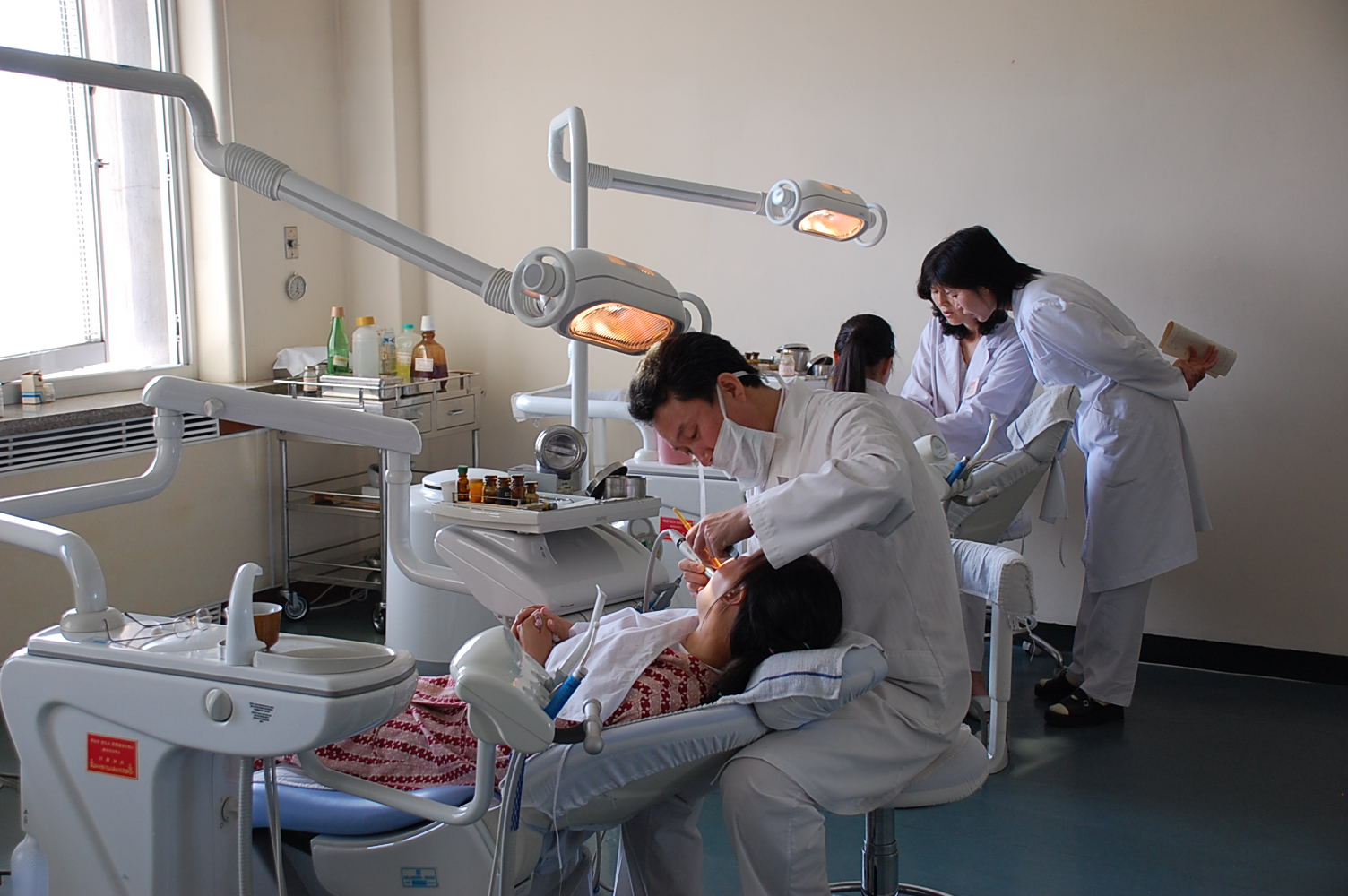
Dental insurance


How does dental insurance work?
Dental insurance works in much the same way that medical insurance works. For a specific monthly rate (or "premium"), you are entitled to certain dental benefits, usually including regular checkups, cleanings, x-rays, and certain services required to promote general dental health. Some plans will provide broader coverage than others and some will require a greater financial contribution on your part when services are rendered. Some plans may also provide coverage for certain types of oral surgery, dental implants, or orthodontia.


What kinds of dental plans are available?
Like health insurance plans, dental insurance plans are usually categorized as either Indemnity or managed-care plans (Dental PPO plans fit in this latter category). Put broadly, the major differences concern choice of dental care providers, out-of-pocket costs and how bills are paid. Typically, Indemnity plans offer a broader selection of dental care providers than managed-care plans. Indemnity plans pay their share of the costs for covered services only after they receive a bill (which means that you may have to pay up front and then obtain reimbursement from your insurance company).


Managed-care plans typically maintain dental provider networks. Dentists participating in a network agree to perform services for patients at pre-negotiated rates and usually will submit the claim to the dental insurance company for you. In general, you'll have less paperwork and lower out-of-pocket costs with a managed-care dental plan and a broader choice of dentists with an Indemnity plan.


What is the best dental plan for me?
Although there is no one "best" dental insurance plan, some plans may work better for you and your family than others. Plans differ primarily in how much you'll have to pay monthly for your coverage and how much you'll have to pay when dental services are rendered. Some plans will require that you pay a certain co-payment for services, or meet a specific deductible before the dental insurance company begins payment. Other plans may limit coverage to a specific dollar-amount maximum per year.


What is a Dental PPO?

Dental PPO (Preferred Provider Organization or Participating Provider Organization) plans are perhaps the most common type of managed care dental insurance plans. Most Dental PPO plans require you to pay a deductible. With a Dental PPO plan the patient typically obtains care through a network of dental providers who agree to serve the plan's members at reduced rates. When you use a network provider, you will typically pay a certain percentage (e.g. 20%) of the reduced rate, and the insurance company will pay the remaining percentage (e.g. 80%).

As a member of a Dental PPO plan, you may use dentists outside of the Dental PPO plan network, but you will typically only be reimbursed based on the amount that a network dentist would have accepted as payment in full. The rest of the total charges will be considered the patient's responsibility.


Source>>https://www.ehealthinsurance.com/dental-insurance

mardi 22 septembre 2015

Occupational Disease Coverage under Workers' Compensation Statutes


Occupational diseases are generally defined as ailments that are contracted or aggravated due to the nature of a particular kind of work. State workers' compensation statutes usually allow workers to receive benefits for occupational diseases. In order to obtain benefits, an employee must generally prove, as with all workers' compensation claims, that the injury arose out of and in the course of the employment. 

Some workers' compensation statutes categorize occupational diseases separately from other injuries. Others do not. Like all workers' compensation statutory provisions, those dealing with occupational diseases are to be interpreted liberally in favor of an employee.


Proving an Occupational Disease
In order to receive compensation for an occupational disease, an employee must usually prove:
That the disease was caused by conditions characteristic of and peculiar to a particular occupation or employment, and That the disease was not an ordinary disease of life to which the general public was equally exposed.

A disease is generally "characteristic" of an occupation when there is a recognizable link between the nature of the job and an increased risk of contracting the disease. To be "peculiar to" an occupation, courts have ruled that the disease must be a natural incident of the occupation. The disease must also attach to the occupation a hazard that is greater than that attached to employment in general. The disease need not be one that can only be acquired through an occupation in order to be considered an occupational disease.

Occupational Diseases
Examples of diseases found to be "occupational" under facts of particular cases include:

  1. Contact dermatitis acquired by a dishwasher,
  2. Tuberculosis acquired by a nurse, and
  3. Hepatitis acquired by a lab technician,
  4. Diseases that are Not Occupational

Examples of diseases NOT found to be "occupational" under facts of particular cases include:
thrombophlebitis (blood clot disorder) acquired by a practical nurse (no evidence that nursing job increased the risk of acquiring the common disorder),skin and bronchial problems acquired by laundry worker (worker did not prove that exposure to bleach caused the disorders).


Distinction between Ordinary Diseases of Life and Occupational Diseases
Although workers' compensation law draws a distinction between ordinary diseases of life and occupational diseases, the distinction between those categories is often difficult. In most states an ordinary disease of life may be an occupational disease where that disease was caused by a particular employee's occupation.

Example: Although lung cancer is an ordinary disease of life, widow of worker who died from lung cancer obtained benefits after proving that worker acquired disease from inhaling asbestos on the job.

Unlike most injuries compensated by workers' compensation statutes, those attributed to occupational diseases may develop gradually, over a period of time. There is no requirement that the disease occur suddenly.

Aggravations of Pre-Existing Injuries
Under most workers compensation statutes, aggravations of preexisting injuries, where those aggravations are caused by an occupational disease, are compensable. Employees or dependents are required to prove the aggravations in the same manner in which they are required to prove standard occupational.

Source>>www.weissnweiss.com

Top Health Insurance Companies


Best? Not necessarily. But these health insurers have the biggest market share.

The largest 125 U.S. health insurers collected some $744 billion in 2013 premiums, the most recent annual data available. The top 25, ranked below by market share, accounted for nearly two-thirds of the total. Data were provided by the National Association of Insurance Commissioners, whose members direct the state agencies that license insurance companies. Note: Large insurers don't necessarily offer the best health insurance. Visit Best Health Insurance Plans to find the best plan for your needs.


Rank Insurer

1             UnitedHealth Group
2             Kaiser Foundation Group
3             Wellpoint Inc. Group
4             Aetna Group
5             Humana Group
6             HCSC Group
7             Cigna Health Group
8             Highmark Group
9             Blue Shield of California Group
10           Independence Blue Cross Group
11           Centene Corp Group
12           HIP Insurance Group
13           BCBS of New Jersey Group
14           BCBS of Michigan Group
15           Guidewell Mutual Holdings Group
16           California Physicians' Service
17           Wellcare Group
18           Carefirst Inc. Group
19           Health Net of California, Inc.
20           Molina Healthcare Inc. Group
21           UHC of California
22           Lifetime Healthcare Group
23           BCBS of Massachusetts Group
24           Metropolitan Group
25           Cambia Health Solutions Inc.


dimanche 20 septembre 2015

What is Travel Insurance & What Does It Cover?


If you’re planning the trip of a lifetime, the last thing you want to think about is what could happen if you got injured or sick while overseas. But travel insurance is not just an optional extra. To put it bluntly, if you can’t afford a travel insurance policy then you probably can’t afford to travel.
Travel Insurance – Benefits, Cover and Why it’s so important!

Why do I need travel insurance? What’s covered?
In a foreign country, chances are your Australian health insurance will not cover you at all. That’s where travel insurance comes in. It provides protection for you and your family in case you get sick or suffer an injury. It can cover medical and hospital expenses, emergency evacuation, dental bills and a long list of other costs which can quickly add up to the tens of thousands.
But travel insurance may also provide cover in case of other unfortunate events. If you have to cancel a flight in an emergency, you could be covered. It can also cover your expenses in the event that your train is delayed due to severe weather. If your luggage is lost or stolen, or you are mugged, you could recoup some or all of your losses.


Other benefits :
Many insurers offer benefits such as free telephone assistance worldwide, available 24/7 in case an emergency arises or you just need some help in a sticky situation. Whether it’s rebooking a flight you missed, helping you locate the nearest pharmacy or providing assistance in replacing a lost passport, many insurers will be only too happy to help.

Statistically speaking, while travelling, the chances of accident, theft or other unfortunate events are increased. The Department of Foreign Affairs and Trade (DFAT) dealt with 1,215 deaths and 1,330 hospitalisations of Australians overseas in 2013-14.


Even if you take all the recommended precautions, wearing a money belt, dressing conservatively and staying alert, disasters can and often do still happen to ordinary people while they travel.

For peace of mind for you and your family, be sure you have an adequate travel insurance policy before you leave home.

samedi 19 septembre 2015

Personal Accident insurance


Personal Accident insurance or PA insurance is an annual policy which provides compensation in the event of injuries, disability or death caused solely by violent, accidental, external and visible events. It is different from life insurance and medical & health insurance

You can either take a PA policy for yourself or a group policy for your family, protecting you and them anywhere in the world, anytime of the day. PA insurance provides 24-hour worldwide insurance protection.


The scope of cover and scale of benefits differ between insurance companies and you should therefore ensure that you purchase a policy which meets your requirements. The types of coverage normally provided under a PA policy include:
  • Hospitalisation benefits;
  • Medical expenses;
  • Corrective surgery;
  • Funeral expenses;
  • Temporary total or partial disablement;
  • Accidental death;
  • Permanent disablement.


Choosing a policy :

When choosing a policy, always:
1-Be aware of the exclusions of the policy which will not allow you to claim from the insurance company.
2- Note the scale of benefits, which is the amount of compensation payable by the insurance company in the event of injury to or loss of limb, sight or hearing.
3- Disclose fully all material facts in your application form e.g. your health, occupation and number of PA policies you currently have.


Professional Liability insurance


If your business faces a lawsuit, even a small one, the costs can add up fast. 
That’s why we offer Professional Liability Insurance (also called Errors and Omissions or E&O Insurance) to help keep you protected against claims of negligence or failure to perform your professional services.
Keep in mind that most professional liability policies require that you have a policy both when the claimed work is done and when the claim is filed. Many businesses will keep the same policy in place the entire time they’re operating to ensure continuous protection.


Here’s some additional information about Professional Liability Insurance:

Benefits of Professional Liability Insurance

  • Covers the cost of defense and damages awarded (up to policy limits)
  • Provides specialty coverage generally not included under standard policies
  • Helps protect the assets and integrity of your business.


What Professional Liability Insurance covers

When your business is faced with claims of professional negligence Professional Liability Insurance:
  • Offers coverage in increments of $1 million
  • Could offer Professional Liability Insurance coverage for certain high-risk industries
  • Helps defend against lawsuits without merit.

vendredi 18 septembre 2015

How to Get a Savings Plan In Place for Baby's Future


savings for baby
Alexandra Grablewski

Whether it's for college or a safety net, here are some simple ways to save money for your little one.

Start ASAP. Don't have a lot of disposable income? Not a problem. "New parents can begin at a bank or credit union and start a savings account with the minimum balance, says Greg Meyer of Meriwest Credit Union in San Jose, CA. "Typically, credit unions have very low minimums, often in the vicinity of $20 or less to open a savings account that will have no fees. This makes it easy for young parents to get started."

Pay yourself first. "Your child's college savings account is not the most important savings bucket to fill," says Farnoosh Torabi, host of Financially Fit on Yahoo! Finance. "Make sure your rainy day/emergency fund and retirement accounts are well filled before allocating money to college savings. The fact is, college lasts four years, while retirement lasts 30+."

Save, then spend. Once you've established your budget, pay baby every month just like you pay your other bills, says Darren Scrimpshire, CRPC, a managing partner with Sapient Financial Group in San Antonio, TX. "If you wait to see what's left at the end of the month, chances are there'll be nothing left."

Look into a 529. The 529 savings plan is a state-sponsored tax-advantaged savings plan and every state has at least one type of 529 plan, explains Torabi. "It works much like a 401(k) or an IRA where your money is invested in mutual funds. It is free from federal taxes and many states offer state income tax deductions for all or part of the contributions made by the donor. Withdrawals must be used for school expenses including tuition, room and board, textbooks, supplies, fees, etc." According to a survey by Fidelity Investments, parents who save in a 529 plan can afford to pay for 36 percent of the expected college expenses. You can buy a 529 plan either directly from the state of through a broker.

Sign up with Upromise. By creating a free account with this site, you can earn Get 1%-25% back from eligible purchases at more than 800 online retailers when you shop through Upromise.com. You can also earn rewards at participating restaurants, grocery and drug stores. You can then transfer any money you earn to a high-yield savings account or a 529 plan. "It's not going to be a lot of money, but it's something," says Adam Koos, president of Libertas Wealth Management Group, Inc. in Columbus, Ohio.

Be realistic. The entire financial burden of college shouldn't be solely on you and your spouse, says Torabi. "Between attending an affordable school, scholarships, grants and working part-time, your child should be able to help pay his or her way through school, as well. The financial burden is not all yours. Do as much as you can, but don't compromise your other financial needs because of it."

Get life insurance. Life insurance can be a major financial life preserve for your children, as it will be a source of income for them after you pass. "There is no 'one-size-fits-all' way to calculate how much life insurance you need, but you can get a solid estimate by analyzing your family's financial needs," explains Torabi. "Calculate how much replacement income your family or dependents will need in order to maintain their current lifestyle."


5 Lesser-Known Benefits of Homeowners Insurance


savings for baby
Alexandra Grablewski

Whether it's for college or a safety net, here are some simple ways to save money for your little one.

Start ASAP. Don't have a lot of disposable income? Not a problem. "New parents can begin at a bank or credit union and start a savings account with the minimum balance, says Greg Meyer of Meriwest Credit Union in San Jose, CA. "Typically, credit unions have very low minimums, often in the vicinity of $20 or less to open a savings account that will have no fees. This makes it easy for young parents to get started."

Pay yourself first. "Your child's college savings account is not the most important savings bucket to fill," says Farnoosh Torabi, host of Financially Fit on Yahoo! Finance. "Make sure your rainy day/emergency fund and retirement accounts are well filled before allocating money to college savings. The fact is, college lasts four years, while retirement lasts 30+."

Save, then spend. Once you've established your budget, pay baby every month just like you pay your other bills, says Darren Scrimpshire, CRPC, a managing partner with Sapient Financial Group in San Antonio, TX. "If you wait to see what's left at the end of the month, chances are there'll be nothing left."

Look into a 529. The 529 savings plan is a state-sponsored tax-advantaged savings plan and every state has at least one type of 529 plan, explains Torabi. "It works much like a 401(k) or an IRA where your money is invested in mutual funds. It is free from federal taxes and many states offer state income tax deductions for all or part of the contributions made by the donor. Withdrawals must be used for school expenses including tuition, room and board, textbooks, supplies, fees, etc." According to a survey by Fidelity Investments, parents who save in a 529 plan can afford to pay for 36 percent of the expected college expenses. You can buy a 529 plan either directly from the state of through a broker.

Sign up with Upromise. By creating a free account with this site, you can earn Get 1%-25% back from eligible purchases at more than 800 online retailers when you shop through Upromise.com. You can also earn rewards at participating restaurants, grocery and drug stores. You can then transfer any money you earn to a high-yield savings account or a 529 plan. "It's not going to be a lot of money, but it's something," says Adam Koos, president of Libertas Wealth Management Group, Inc. in Columbus, Ohio.

Be realistic. The entire financial burden of college shouldn't be solely on you and your spouse, says Torabi. "Between attending an affordable school, scholarships, grants and working part-time, your child should be able to help pay his or her way through school, as well. The financial burden is not all yours. Do as much as you can, but don't compromise your other financial needs because of it."

Get life insurance. Life insurance can be a major financial life preserve for your children, as it will be a source of income for them after you pass. "There is no 'one-size-fits-all' way to calculate how much life insurance you need, but you can get a solid estimate by analyzing your family's financial needs," explains Torabi. "Calculate how much replacement income your family or dependents will need in order to maintain their current lifestyle."